
Reconditioning & Repairing of Belts
- Services & Support
- Reconditioning & Repairing of Belts
Reconditioning & repairing of fabric & steel cord belts (Conveyor Belt Repair / Reconditioning and Through Cut Repairs)
Conveyor belts are put out of use because of the following reasons.
Full life running | Longitudinal Through Cuts | Edge damage | Patch failure
Types of Repair:
Reconditioning –
The worn out top & bottom covers are put back to the desired thickness. Edge & Patch Repairs, if any are also attended.
Longitudinal Cut Repairs –
Belts which are longitudinally cut in two or more pieces due to foreign objects are brought back to the original width & strength by hot vulcanizing. Additional Belts for substitution at the cut area are provided by the customer.
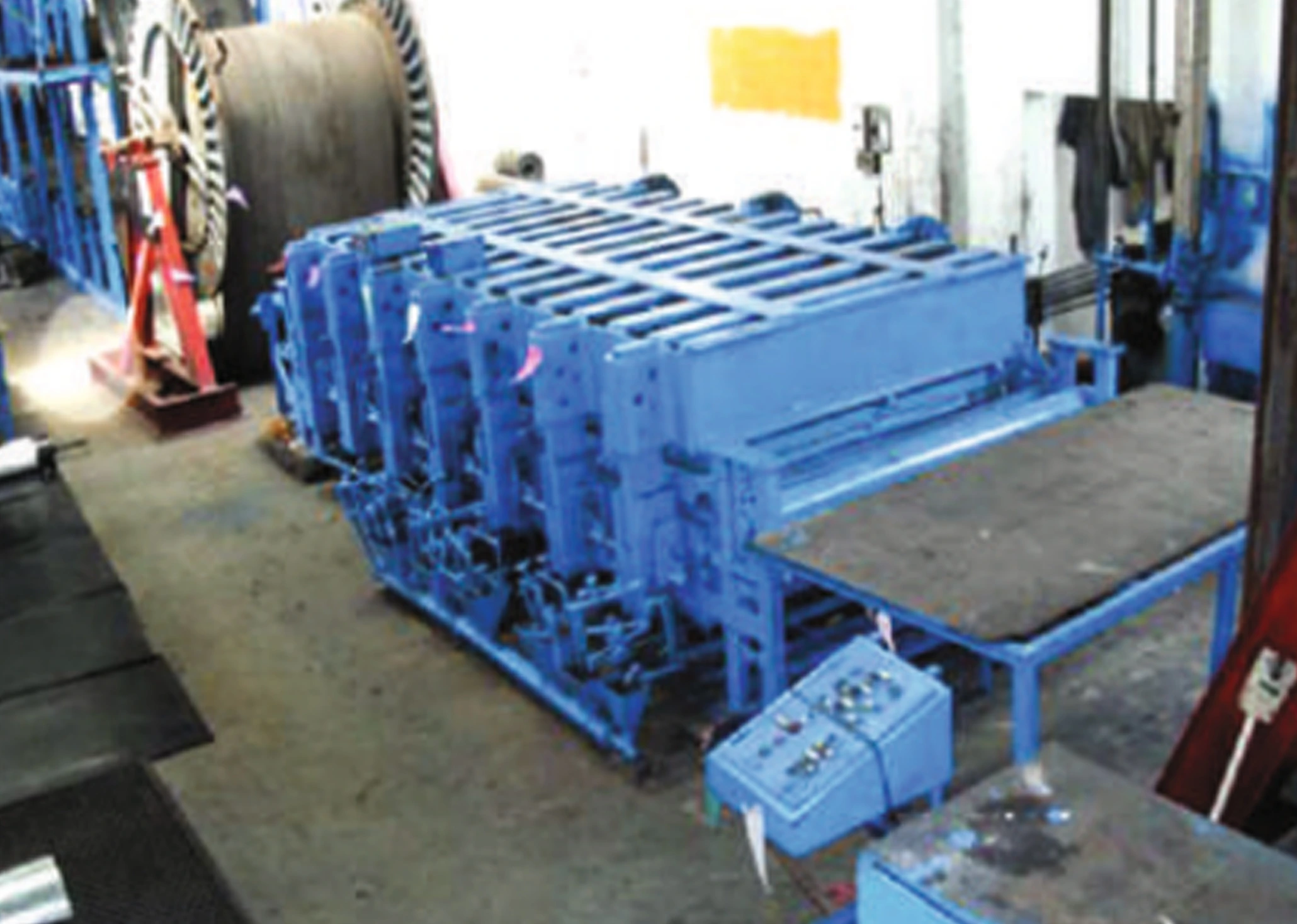
Economics of Repair & Reconditioning:
It is highly techno-economically viable to undertake through cut repairs and/or reconditioning of the damaged conveyor belts. A new lease of life can achieved from the belts after investing about 40 -50 % cost, without sacrificing the reliability.
In fact in some cases, the life obtained from the reconditioned belt has been much more than that obtained from the original belt
Reliability:
The repair & reconditioning works are undertaken by equipments & facilities used for new belt manufacturing. All the parameters such as adhesion strength, cover grade & its properties, etc are similar to that of new belts. In fact in some cases, the cover grades can be suitably modified to attain higher life than that obtained by new belts.
Full Life Running:
Edge Damage Repairing:
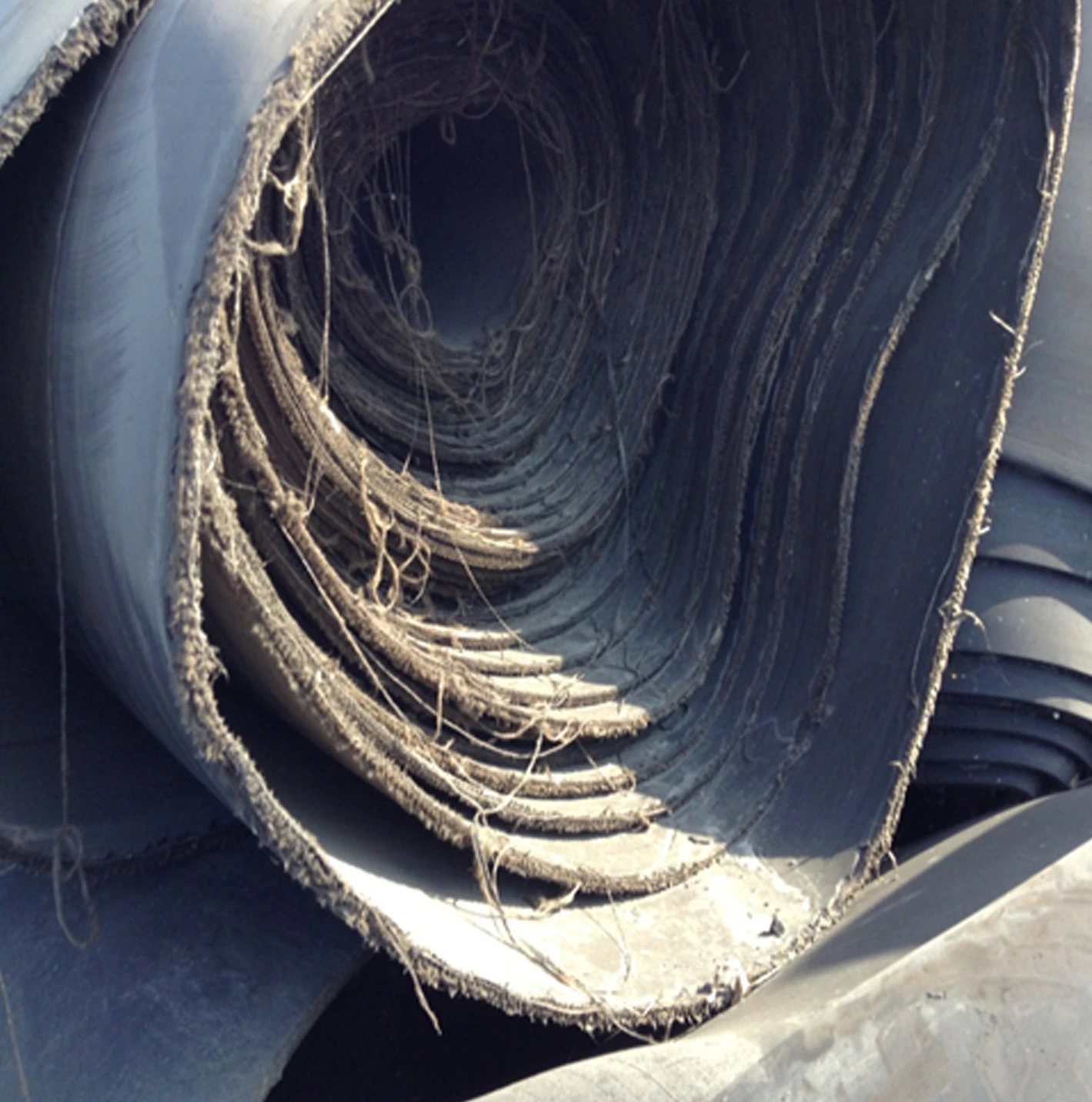
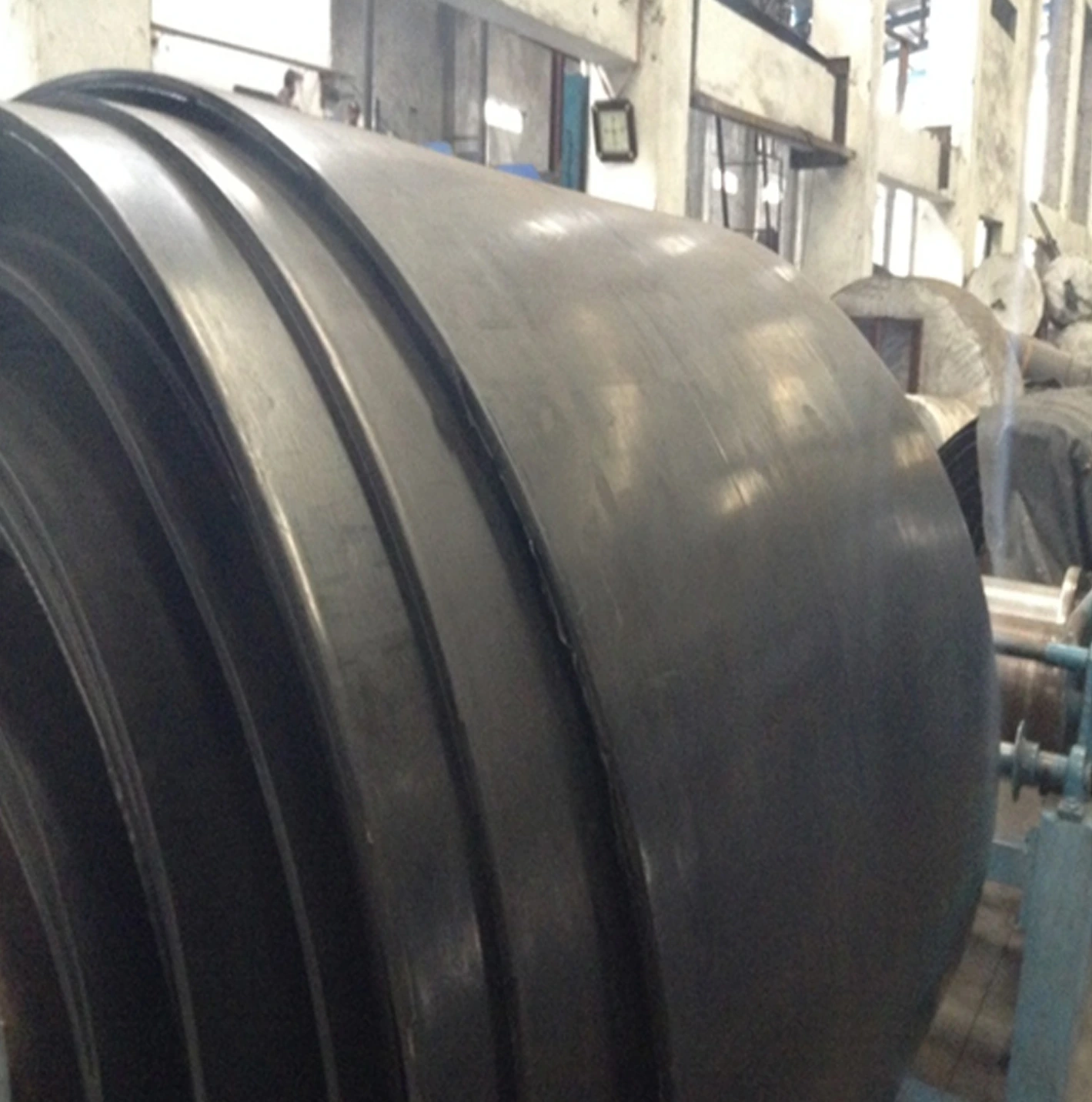
Longitudinal Trough Cut Repair:
ADVANTAGES OF RECONDITIONING:
COMPARISON OF REPAIRED VIS –A- VIS NEW BELTS OF M24 GRADE.
| S. No. | Description of Test | Unit | IS Values | Our Values |
|---|---|---|---|---|
| 1 | Tensile Strength | MPa | 24 | 24.5 |
| 2 | Elongation | % | 450 | 475 |
| 3 | Accelerated Ageing Test | +10 to −20 | ||
| (a) % Change in Tensile Strength | % | −7 | ||
| (b) % Change in Elongation | % | −9 | ||
| 4 | Adhesion Test | |||
| (a) Rubber – Ply | Kn/mtr. Width | 3.5 | 3.8 | |
| (b) Ply – Ply | Kn/mtr. Width | 4.5 | 5.6 |
PERFORMANCE – REPAIRED / RECONDITIONED BELTS
The high reliability of belt after repair / reconditioning is achieved due to the following reasons: